Distracted Driving Accidents in Georgia Can Change Your Life in Seconds
Every year, distracted drivers cause thousands of motor vehicle crashes across Georgia, leaving injured victims facing medical expenses, lost wages, and a legal system that demands proof. A text message, a phone call, or a moment of inattention is all it takes to cause a serious accident. If you or a loved one has been injured by a negligent driver, knowing what evidence you need can make or break your distracted driving case.
At GMV Law Group, our experienced Atlanta distracted driving lawyers have helped Georgia drivers recover damages after devastating car accidents. We know what evidence matters, how to obtain it, and how to build a case that holds distracted drivers accountable.
The Dangers of Distracted Driving in Georgia: Why Evidence is Crucial
Distracted driving causes serious car accidents in Georgia every day, and strong evidence is what turns a personal injury claim into a winning case.
Distracted Driving Is a Leading Cause of Car Accidents
Distracted driving is one of the most alarming causes of motor vehicle crashes in Georgia. Negligent drivers, especially teen drivers, are involved in a large number of these accidents. The consequences range from property damage to broken bones and traumatic brain injuries.
Cell Phone Use Is the Most Alarming Distraction
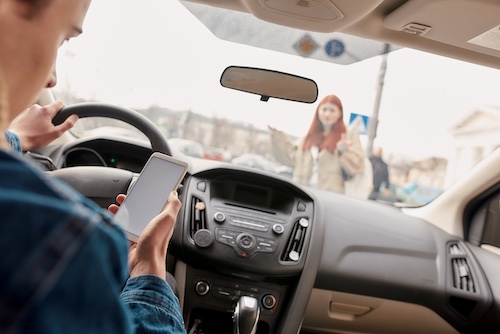
Cell phone use, particularly texting while driving, takes a driver’s eyes off the road for an average of five seconds. At highway speeds, that equals driving the length of an entire football field with your eyes closed. Georgia enacted the Hands-Free Law to address this danger directly.
Georgia Law Recognizes the Risk
Georgia’s legal system treats distracted driving as a serious threat to safe driving. Georgia law holds negligent drivers accountable when their actions cause accidents and injuries. Proving fault, however, requires more than a claim.
Evidence Is What Wins Cases
Insurance companies and courts require proof. Physical evidence, cell phone records, dashcam footage, and witness statements work together to build a strong case. Without solid evidence, even valid personal injury claims can fall short.
Understanding Distracted Driving and Georgia Law
Knowing what counts as distracted driving under Georgia law is the first step in building a strong personal injury claim.
What Qualifies as Distracted Driving?
Distracted driving is any non-driving activity that diverts a driver’s full attention from the task of driving. Common examples include texting, talking on the phone, eating, using electronic devices, adjusting infotainment systems, and interacting with passengers. Any activity that takes a driver’s eyes off the road or hands off the wheel counts as a potential distraction.
Overview of Georgia Distracted Driving Laws
Georgia’s Hands-Free Law (O.C.G.A. § 40-6-241) prohibits holding or using a cell phone while driving. Violations of this law create a presumption of negligence in civil personal injury claims. Georgia enacted this law to reduce motor vehicle crashes caused by distracted drivers.
How Georgia’s Comparative Negligence Rule Affects Your Claim
Georgia follows a modified comparative negligence rule. You can recover damages if you are less than 50% at fault for the accident. Your compensation is reduced by your percentage of fault, so proving the other driver was distracted is critical.
The Legal Burden of Proof
To win a distracted driving case, you must establish three things. First, the other driver owed you a duty to drive safely. Second, that duty was breached by a distraction. Third, the distraction directly caused your accident and injuries.
The Best Evidence for Winning a Distracted Driving Case
Winning a distracted driving case in Georgia requires more than one piece of proof, and the strongest claims combine multiple types of evidence.
Police Reports
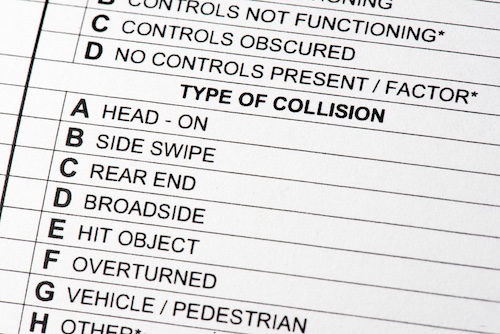
A police report is often the first piece of evidence collected after a car accident. Officers document citations, witness accounts, and observations at the scene. A report noting a Hands-Free Law violation or the absence of skid marks can strongly support your personal injury claim.
Cell Phone Records
Cell phone records show text message and call activity at the exact time of the accident. These records can prove the other driver was texting or talking on the phone while driving. Your attorney can subpoena cell phone records directly from the carrier.
Witness Statements
Other witnesses, including passengers and bystanders, may have seen the driver engaged in a non-driving activity. Collecting witness statements at the scene strengthens your case. Witness accounts add credibility that physical evidence alone cannot always provide.
Dashcam Footage
Dashcam footage provides direct visual evidence of the other driver’s behavior before and during the crash. Video showing a driver with eyes off the road or failing to brake is strong evidence in court. Preserve your dashcam footage immediately after the accident.
Physical Evidence and Scene Photos
Photos of the crash scene, vehicle damage, and lack of skid marks help establish how the accident happened. Physical evidence such as food wrappers or an unlocked phone found at the scene can point to a potential distraction. Property damage and visible injuries like broken bones or traumatic brain injuries further support your claim.
Digital and Telematics Data
Vehicle telematics and infotainment data can show speed, braking patterns, and app activity at the time of the crash. Social media activity during the crash window can also indicate electronic device use. Attorneys and digital forensics experts can obtain and analyze this data.
Accident Reconstruction
A crash reconstruction expert analyzes physical and digital evidence to establish causation. Expert testimony can fill gaps when direct evidence is limited. Courts and insurance companies treat accident reconstruction as credible, professional proof.
How to Gather and Preserve Evidence After a Distracted Driving Accident
Taking the right steps after a distracted driving accident protects your personal injury claim and preserves the evidence you need to prove fault.
Step 1: Call the Police
Always request a police report at the scene of the accident. Officers document citations for distracted driving laws, record witness accounts, and note key observations. A police report creates an official record that supports your claim with the insurance company and in court.
Step 2: Document the Scene
Take photos of both vehicles, the road, skid marks or the absence of them, and any potential distractions visible at the scene. Food wrappers, phones, and electronic devices in the other driver’s vehicle can all serve as physical evidence. If it is safe to do so, collect the names and contact information of other witnesses.
Step 3: Seek Medical Care
Seek medical care immediately after the accident, even if injuries are not obvious. Prompt medical attention creates a clear record linking your injuries, such as broken bones or traumatic brain injuries, to the car accident. Delaying medical care gives insurance companies reason to dispute your claim.
Step 4: Avoid Early Insurance Statements
Insurance companies may contact you quickly after the accident to gather a statement. Giving a statement before consulting a personal injury attorney can hurt your claim. Let your attorney handle communication with the insurance company from the start.
Step 5: Preserve Digital Evidence
Save any dashcam footage from your vehicle before it is overwritten. Your attorney can subpoena cell phone records, telematics data, and social media activity tied to the time of the crash. Digital evidence is often the strongest proof in distracted driving cases where physical evidence is limited.
Step 6: Work with Legal and Technical Experts
Accident reconstructionists and digital forensics experts analyze both physical and digital evidence to establish causation. Expert analysis can strengthen your case when the other driver denies distraction. Working with experienced professionals gives your personal injury claim the best chance of success.

Contact GMV Law Group After a Distracted Driving Accident in Georgia!
If you or a loved one has been injured in a distracted driving accident, do not wait to take action. Evidence disappears quickly, and the sooner our team at GMV Law Group gets involved, the stronger your personal injury claim will be. Our attorneys will gather cell phone records, secure witness statements, preserve dashcam footage, and fight to recover the compensation you deserve for medical expenses, lost wages, and property damage.
Contact us at 404-975-4878 for a free case review today!