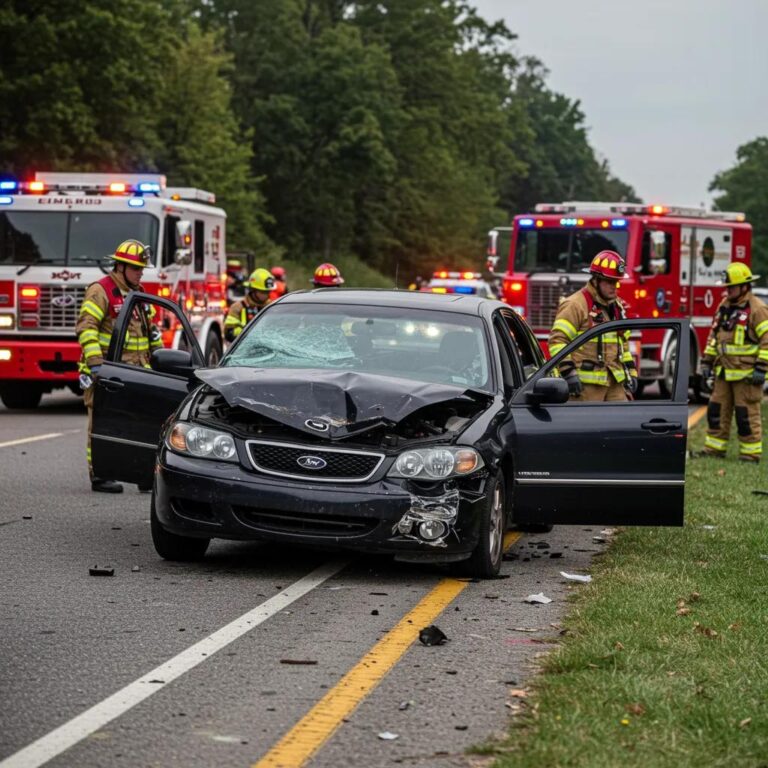
Dram Shop Laws and Their Impact on Georgia DUI Accident Cases
At GMV Law Group, we are dedicated to helping injury victims across Georgia recover the compensation they deserve. Based in Atlanta, our experienced attorneys handle car accidents, truck collisions, slip and fall cases, and wrongful death claims with a commitment to strong advocacy and personal attention. We offer free consultations, work on a contingency fee basis, and fight to secure full compensation for medical expenses, lost wages, and pain and suffering.
Georgia’s dram shop laws hold alcohol providers responsible when they serve a visibly intoxicated or underage person who later causes a drunk driving accident. These laws are designed to reduce alcohol-related harms and ensure that both the impaired driver and the alcohol provider are held accountable for the injuries caused.
Understanding how these laws work is essential for anyone affected by a motor vehicle accident involving alcohol. An Atlanta car accident lawyer can help victims seek compensation for medical expenses, lost wages, and other damages resulting from an intoxicated driver’s actions.

What Are Georgia’s Dram Shop Laws?
Georgia’s dram shop laws define when a business or private individual can be held responsible for serving alcohol to someone who later causes a drunk driving accident. These laws are part of Georgia’s effort to reduce alcohol-related harms and promote accountability for alcohol providers.
Definition of Dram Shop Laws
The term dram shop comes from early taverns that sold alcohol by the dram, a small unit of measure. Today, the phrase refers to legal rules that hold bars, restaurants, liquor stores, and other commercial establishments liable when they sell alcohol to a visibly intoxicated or underage person who later causes injury or death. In Georgia, this responsibility is outlined in O.C.G.A. § 51-1-40, known as Georgia’s Dram Shop Act.
Who Can Be Held Liable
Georgia’s dram shop laws apply to both commercial establishments and social hosts. A bar, restaurant, or store that sells alcohol to a person who is visibly intoxicated or underage may be held liable if that person drives a motor vehicle and causes a crash. Similarly, a social host can be responsible if they serve alcohol to an underage drinker or intoxicated guest knowing that person intends to drive.
The Standard of Knowledge
Liability under Georgia’s dram shop act depends on actual knowledge. The alcohol provider must have known that the patron was visibly intoxicated or underage and likely to drive. Signs of visible intoxication can include slurred speech, unsteady balance, or significantly uncoordinated physical action. Without proof of actual knowledge, it is difficult to hold the provider accountable.
Purpose and Public Policy
The purpose of Georgia’s dram shop laws is to discourage the service of alcoholic beverages to individuals who pose a risk to themselves and others. By imposing dram shop liability, the law aims to reduce impaired driving, motor vehicle crashes, and wrongful death claims resulting from alcohol misuse. It also gives injured victims a legal path to seek compensation through a personal injury lawsuit with the help of an Atlanta car accident lawyer.
Connection to Drunk Driving Accidents
These laws bridge the gap between drunk drivers and those who enable them. If a business or host knowingly serves an intoxicated or underage person who then causes a motor vehicle accident, they can be held liable for the injuries caused. Victims may recover medical expenses, lost wages, and pain and suffering from both the drunk driver and the alcohol provider.
In Georgia, dram shop liability is a key part of the state’s approach to preventing alcohol-related harms and ensuring that every alcohol provider acts responsibly.
When Alcohol Providers Can Be Held Liable
Georgia’s dram shop laws outline specific situations where a bar, restaurant, liquor store, or social host can be held liable for serving alcohol to someone who later causes a drunk driving accident.
Serving a Visibly Intoxicated Person
An alcohol provider may be responsible if they serve a visibly intoxicated person who later drives a motor vehicle and causes injury or death. Signs of intoxication include slurred speech, red eyes, poor coordination, and significantly uncoordinated physical action. Under Georgia law, serving a visibly intoxicated individual who is known to be driving creates dram shop liability for the injuries sustained by others.
Serving an Underage Individual
Liability also applies when a provider sells or gives alcoholic beverages to an underage person under 21 years old. If that underage drinker causes a motor vehicle accident, the person or business that served them can be held responsible. This applies to both commercial establishments and private individuals acting as social hosts. Georgia law treats underage drinking seriously because of its clear link to impaired driving and fatal motor vehicle crashes.
Actual Knowledge Requirement
For an alcohol provider to be held liable, there must be actual knowledge that the patron was either underage or intoxicated and would soon be driving. Actual knowledge means the server or host recognized the person’s condition or had strong evidence of it. Without proof of this knowledge, a civil claim under Georgia’s dram shop laws may not succeed.
Causation and Responsibility
Liability exists only if the alcohol service is the proximate cause of the injury. This means the act of serving alcohol must directly contribute to the drunk driving accident or wrongful death claim. If other factors caused the crash, the alcohol provider may not be held responsible.
Commercial and Social Hosts
Both commercial establishments and social hosts have potential liability. Bars and liquor stores that sell alcohol are held to a professional standard. A social host who serves alcohol at a private event can also be liable if they serve an intoxicated or underage guest who drives afterward. In both cases, a skilled Atlanta car accident attorney can help victims gather evidence to prove fault and recover damages for medical expenses, property damage, and pain and suffering.
The Importance of Evidence
Strong evidence is critical in proving dram shop liability. Witness statements, surveillance video footage, and receipts can show that the defendant knew the person was intoxicated or underage. An experienced personal injury attorney can use this evidence to hold the alcohol provider accountable and help victims seek compensation for the injuries caused.
Georgia’s dram shop laws are designed to ensure that those who serve alcohol act responsibly. By enforcing these laws, the state helps prevent drunk driving accidents and protects victims from the devastating effects of alcohol-related harms.
The Role of Dram Shop Laws in Drunk Driving Accident Claims
Georgia’s dram shop laws play a key role in determining who can be held financially responsible after a drunk driving accident. These laws expand liability beyond the intoxicated driver to include those who provided the alcohol.
Holding Alcohol Providers Accountable
Under Georgia’s Dram Shop Act, a bar, restaurant, liquor store, or private host can be held liable for serving alcohol to a visibly intoxicated or underage person who later causes injury or death. This accountability encourages alcohol providers to act responsibly and helps reduce the number of motor vehicle crashes caused by impaired drivers.
Connection to Personal Injury Lawsuits
Victims of drunk driving accidents often file a personal injury lawsuit against the driver. In some cases, dram shop liability allows the victim to also sue the alcohol provider. By doing so, the victim may recover compensatory damages that include medical expenses, lost wages, property damage, and pain and suffering. This legal path ensures that both the drunk driver and the alcohol provider share responsibility for the injuries caused.
Wrongful Death and Family Claims
When a drunk driving crash results in death, family members may pursue a wrongful death claim. Dram shop laws allow them to seek compensation from the business or social host that served the intoxicated person or underage individual. Damages in these cases may include funeral expenses, loss of financial support, and emotional distress.
Evidence and Proof of Liability
To succeed under Georgia’s dram shop laws, the injured party must show that the alcohol provider had actual knowledge that the person was intoxicated or underage and intended to drive a motor vehicle. Evidence such as witness statements, credit card receipts, and video footage can help establish this proof. A skilled Atlanta car accident lawyer can gather evidence and build a strong case to hold the provider responsible.
Seeking Compensation Beyond Insurance
The drunk driver’s insurance may not cover all losses, especially when the injuries are severe. Georgia’s dram shop liability law gives victims an additional path to seek compensation from the alcohol provider who contributed to the crash. This can help cover medical bills, lost income, and ongoing treatment for serious injuries.
Preventing Future Drunk Driving Accidents
Dram shop laws are an important part of Georgia’s public safety system. By holding negligent alcohol providers accountable, these laws discourage reckless alcohol service and reduce the risk of impaired driving. They also send a clear message that both drivers and those who serve them must take responsibility for alcohol-related harms.
An Atlanta car accident attorney can help victims understand how Georgia’s dram shop laws apply to their case and guide them through the process of filing a civil claim to recover damages.
Speak with an Atlanta Car Accident Lawyer at GMV Law Group!
If you or a loved one were injured in a drunk driving accident, you may have the right to hold the alcohol provider accountable under Georgia’s dram shop laws. Our team at GMV Law Group is ready to review your case, explain your legal options, and help you recover damages for your medical expenses, lost wages, and pain and suffering.
Contact us at 404-975-4878 for a free case review today!